I’ll never forget the ‘Zinger of 2018.’ I was sitting on my porch, sipping a refreshing iced tea after using a ‘professional strength’ whitening strip, and suddenly—BAM. It felt like a tiny lightning bolt had struck my front incisor and traveled straight into my brain. I dropped my glass, and for the next three days, even breathing cool air felt like chewing on tinfoil. We’ve all been there, or at least we’ve been terrified of being there. You want that radiant glow for a family photo or a big date, but the fear of that sharp, shooting pain keeps you stuck with a duller shade of ivory. I’m here to tell you that you don’t have to choose between beauty and comfort. Today, we’re going to walk through the exact steps to brighten your smile without turning your mouth into a high-voltage zone. I made the mistake of thinking ‘more is better’ and used high-concentration gels for hours, but I’ve learned the hard way that a gentle approach is actually more effective.
Trade the Sharp Zingers for a Radiant Glow
In my early days of chasing a Hollywood smile, I jumped straight into the deep end with the harshest products I could find. It was a disaster. I didn’t realize that the safest way to whiten teeth if you have thin enamel isn’t about the strength of the bleach, but the preparation of the tooth. If your enamel is compromised, those chemicals have a direct highway to your nerves. I’ve since discovered that professional guidance and lower-concentration formulas are the real secret. You might think store-bought is easier, but the truth about professional whitening gels vs store bought strips is that the professional versions often contain desensitizing agents that prevent the pain before it even starts. According to a study published in the Journal of Evidence-Based Dental Practice, lower concentrations of carbamide peroxide (around 10%) are significantly more comfortable for sensitive patients while achieving nearly identical long-term results compared to high-intensity treatments. It’s a marathon, not a sprint. If you’ve ever wondered why your tooth hurts when you drink cold water, it’s a sign your nerves are already on high alert, and you need to be extra careful.
Is it actually possible to whiten without the agony?
I used to be the biggest skeptic. I thought my teeth were just ‘born’ to be sensitive and that I was destined to stay yellow. But after consulting with experts and looking into expert cosmetic dentistry solutions, I found that timing and desensitization are everything. You can actually ‘prime’ your teeth for a few weeks with potassium nitrate toothpaste. Have you ever experienced those sharp shooting pains while trying to brighten your smile, or are you too scared to even start? If you do hit a rough patch, knowing the best way to soothe sensitive teeth after a whitening session can save your sanity. Let’s dive into the practical methods that actually work.
Prep Your Teeth Like a Pro Athlete
In the same way you wouldn’t run a marathon without stretching, you shouldn’t start whitening without ‘pre-loading’ your teeth. Think of your enamel like a porous sponge; if it’s already saturated with soothing minerals, there is less room for the peroxide to cause a ruckus. For at least two weeks before you start, swap your regular toothpaste for a high-potassium nitrate formula. This isn’t just marketing fluff. It works like a local anesthetic for your tooth’s internal nerves. If you skip this, you might find yourself searching for the best way to soothe sensitive teeth after a whitening session before you’ve even finished your first treatment. I personally prefer to ‘mask’ the teeth with the toothpaste, letting it sit for an extra minute before rinsing.
Choose Carbamide for a Slower Burn
Most store-bought strips use hydrogen peroxide because it’s fast. But fast is the enemy of sensitivity. I recommend looking for carbamide peroxide, which breaks down much slower. It’s like the difference between a flash fire and a slow-burning log; the latter gives your teeth time to adjust. When you look at the truth about professional whitening gels vs store bought strips, the professional versions allow for this controlled release. If you have thin enamel, you need to be even more surgical in your approach. Knowing the safest way to whiten teeth if you have thin enamel often means opting for a 10% concentration rather than a 25% or higher. It takes a few extra days to see the results, but your nerves will thank you.
My Messy Mistake With Overfilled Trays
I’ll admit it: the first time I used a professional kit, I thought if a little gel was good, a whole syringe was better. I filled that tray to the brim, expecting a blindingly white smile by morning. Instead, I woke up with gums that looked like they’d been through a chemical war zone. The gel had squeezed out of the tray and sat on my soft tissue all night. It was a painful lesson in precision. 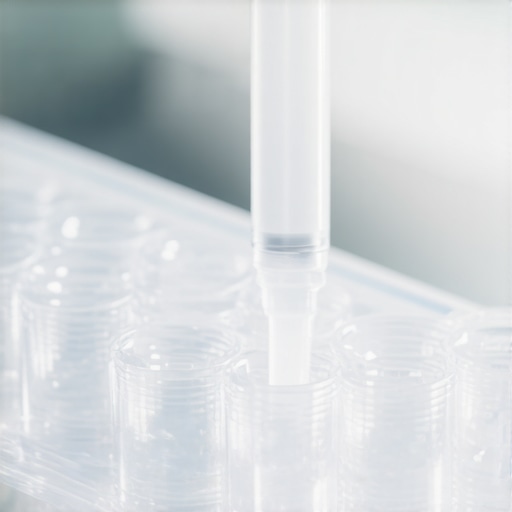 Now, I use the ‘pinhead’ method. You only need a tiny dot of gel for each tooth, placed on the outer wall of the tray. If you see gel oozing out when you bite down, you’ve used too much. If your gums start to react, you might notice why your gums bleed only when you use an electric toothbrush because they are already inflamed from the bleach. Use a Q-tip to wipe away any excess immediately.
What to Do When You Already Have Dental Work
One thing I learned too late is that bleach doesn’t work on ‘fake’ teeth. If you have dental crowns vs other restorations, the whitening agent will brighten your natural teeth while the porcelain or resin stays the same color. This can lead to a ‘patchwork’ look. If you are planning on more extensive expert cosmetic dentistry solutions, always whiten your natural teeth first so your dentist can match the new crowns or veneers to your brightest shade. Otherwise, you’ll be stuck with a mismatched smile that no amount of scrubbing can fix.One of the biggest lies we’re told in the beauty world is that cosmetic dentistry is just about aesthetics. I used to think my family dentistry provider was only for cleanings and that I needed a flashy ‘celebrity dentist’ for the real work. But here’s the contrarian truth: the most successful smile transformations aren’t just about looking bright; they are about structural integrity. If you ignore the foundation, you’re just putting a fresh coat of paint on a crumbling house. For instance, many people rush into veneers without realizing that why your teeth look shorter than they did ten years ago might be due to bruxism or grinding, which will snap a new porcelain veneer in weeks.
The Foundation Matters More Than the Bleach
When we talk about high-end restorations, the biggest ‘oops’ factor is usually ignoring the harmony of the bite. A common trap is the ‘set it and forget it’ mentality with restorations. I’ve seen people get beautiful dental crowns and then treat them like they are indestructible. However, if your bite isn’t perfectly calibrated, you’ll end up wondering why your porcelain crown feels too high when you bite down, which leads to chronic jaw pain and the eventual failure of the porcelain. In fact, understanding dental crowns requires realizing they are part of a living system. If you see a new shadow at the gumline, you need to check how to tell if your dental crown is leaking bacteria before it compromises the root underneath. 
Why does ‘perfect’ often look so fake?
This nuance usually comes down to translucency. Natural teeth aren’t solid blocks of white; they have a certain level of transparency at the edges that catches the light. If your dentist uses a material that is too opaque, you end up with that dreaded ‘flat’ look. A study in the Journal of Prosthetic Dentistry found that color matching is actually less critical for patient satisfaction than the way the material mimics natural light reflection. This is exactly why your porcelain veneers might look bulky or unnatural—they lack that light-catching depth. Have you ever fallen into the trap of choosing ‘pretty’ over ‘functional’? Let me know in the comments. If you are ready to start your journey correctly, feel free to contact us for a consultation that looks at the big picture of your oral health.Once you have invested in that radiant glow, the real challenge begins: the maintenance phase. I used to think the heavy lifting was over once the chair tilted back for the last time, but keeping a high-end smile requires more than just luck. My personal daily carry includes a high-end electric toothbrush and, most importantly, a water flosser with a dedicated tip for restorations. I found that how to stop your gums from hurting when you use a water flosser is all about the pressure setting; I start at level three and work my way up. This tool is a lifesaver for my dental crowns because it flushes out the microscopic debris that a standard string can miss. If you are dealing with more complex work, you should really look into the-best-way-to-clean-under-a-dental-bridge-to-prevent-smells, because bacteria love to hide in the shadows of your dental work.
The High-Tech Future of Your Annual Checkup
The industry is moving toward a place where ‘guessing’ is a thing of the past. I recently read a fascinating paper in the International Journal of Computerized Dentistry about the integration of AI-driven intraoral scans that can predict crown failure months before it happens. This is a game-changer for family dentistry because it allows us to be proactive rather than reactive. We are seeing cosmetic dentistry innovations to watch like 3D-printed porcelain that mimics the exact wear patterns of your natural teeth. Eventually, we will be looking at top cosmetic dentistry trends for 2025 that include bio-active materials that actually help remineralize the teeth around your fillings. 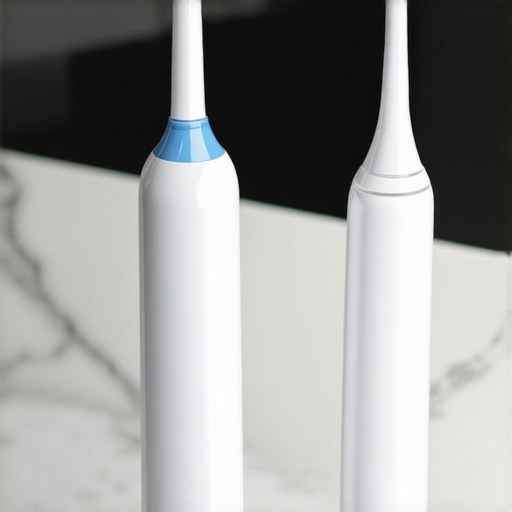
How do I keep my smile looking this good for the next decade?
It comes down to consistency and the right professional partnership. You cannot just rely on home care; you need to understand why a prophy treatment is much more than just a simple tooth cleaning. These sessions are like a structural audit for your mouth. If you have been hesitant about the longevity of your work, I recommend researching dental crowns vs other restorations to see which fits your lifestyle best. My biggest tip? Use a nightguard. Even if you don’t think you grind, the stress of modern life manifests in our jaws, and protecting your investment from nocturnal pressure is the single best thing you can do for your expert cosmetic dentistry solutions. If you are worried about your current dental work, don’t wait for a crack to appear. Reach out and contact us to schedule a high-tech scan today. Try switching to a high-potassium toothpaste tonight—it’s the easiest way to start ‘pre-loading’ your nerves for future success.
The Hard Truths I Discovered About Modern Smile Makeovers
After years of experimenting with my own dental care, I have realized that the most expensive treatment in the world won’t matter if you ignore the small details. For instance, many people are shocked to find the real cause of white spots on your teeth after braces come off is often preventable with better hydration and mineral balance during the process. I also learned that if you are a caffeine addict like me, you don’t have to give up your morning brew; you just need to master the secret to stopping coffee from staining your new veneers or natural enamel, such as rinsing with water immediately after drinking. Finally, never underestimate the power of healthy gums. If you notice why your gums are turning purple instead of a healthy pink, it is a clear signal from your body that your foundation needs attention before you worry about the shade of your teeth.
My Tested Arsenal for Long-Term Maintenance
I have narrowed down my daily routine to a few non-negotiable tools that have saved my smile and my wallet. First, I stopped guessing about my hygiene tools and embraced the truth about how often you really need to replace your toothbrush to ensure I wasn’t just spreading bacteria. I also switched to a high-quality water flosser, and while it took some trial and error, learning how to stop your gums from hurting when you use a water flosser changed my gum health forever. Most importantly, I’ve realized that why a prophy treatment is much more than just a simple tooth cleaning is because it allows a professional to catch micro-cracks before they become painful emergencies.
Your New Chapter of Confidence Begins Today
A radiant smile is more than just a cosmetic upgrade; it is a boost to your overall well-being. By integrating these gentle whitening techniques and staying consistent with your family dentistry guide, you are setting yourself up for a lifetime of health. Don’t let past pain or sensitivity hold you back from exploring expert cosmetic dentistry solutions that are designed with your comfort in mind. If you are ready to take that next step safely, contact us to discuss a personalized plan that protects your enamel while giving you the glow you deserve. Have you ever avoided a dental treatment because you were afraid of the sensitivity? Let me know in the comments below!